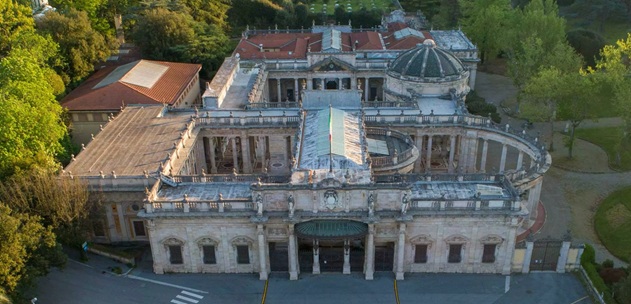
The large thermal park with spa facilities surrounded by tree-lined avenues and elegant porticos.
Montecatini Terme is a spa town in Valdinievole, recognized by UNESCO among the "Great Spa Towns of Europe" thanks to its historic thermal park, curative waters, and Liberty-style architecture that recalls the elegance of the Belle Époque.
The beneficial properties of Montecatini's springs were already known in Roman times and are mentioned in medieval documents starting from 1201; for centuries the waters were used as a natural remedy for digestive and metabolic disorders.
The real development of the spa town took place between the 18th and 19th centuries, when Grand Duke Pietro Leopoldo promoted the channeling of the waters and the construction of the first large facilities, such as the Bagno Regio, the Terme Leopoldine, and especially the Tettuccio complex.
Between the late 19th and early 20th centuries, Montecatini became a destination for European high society, frequented by musicians, writers, and royalty; the grand hotels, concert cafes, and Liberty architecture still make it one of the most elegant spa towns on the continent today.
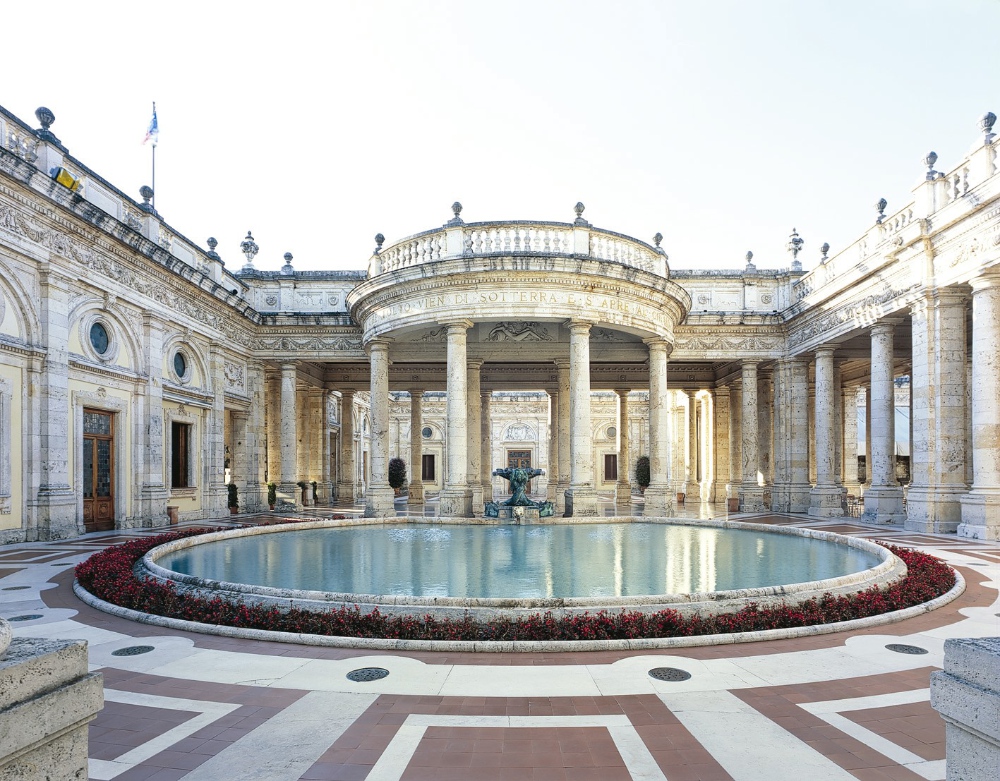
The heart of the city is the thermal park, a large public garden where the historic establishments are located: Tettuccio, Excelsior, Leopoldine, and Redi, each with monumental architecture, decorated halls, and fountains from which various mineral waters flow.
Today, traditional water therapies are complemented by wellness centers, spas, sensory paths, and aesthetic treatments, making Montecatini an ideal destination for those seeking relaxation and wellness in an elegant setting.
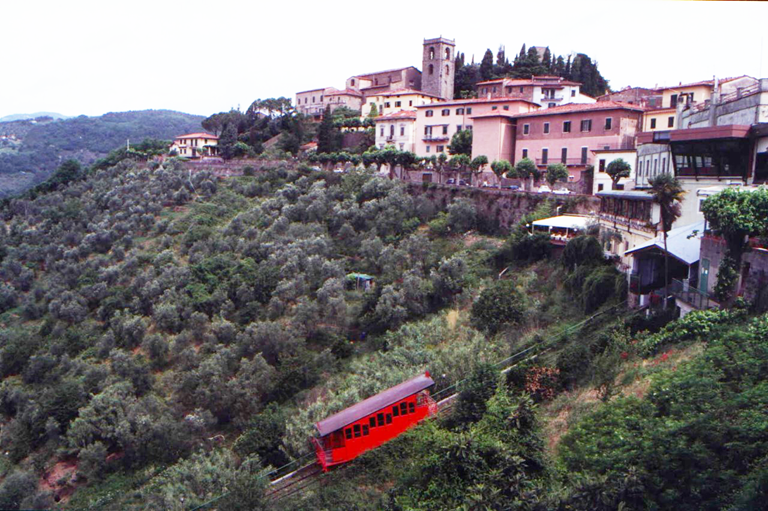
Since 1898, a characteristic red funicular has connected the spa town to the medieval village of Montecatini Alto, with vintage carriages that climb the slope through olive groves and woods.
At the top, you will find a small historic center with a panoramic square, remains of walls and towers, small restaurants, and bars with splendid views over the Valdinievole and the geometries of the thermal park below.
Strolling along Viale Verdi, you will find elegant buildings, historic cafes, the Town Hall, and the Teatro Verdi, evidence of the era when Montecatini was one of the fashionable salons of the Belle Époque.
Numerous buildings in Liberty and Deco style, including hotels and thermal palaces, still convey the refined atmosphere of that period.
The Montecatini table combines the flavors of Valdinievole and Tuscan tradition: grilled meat, rural soups, game, and typical desserts to pair with local wines and the famous Vin Santo.
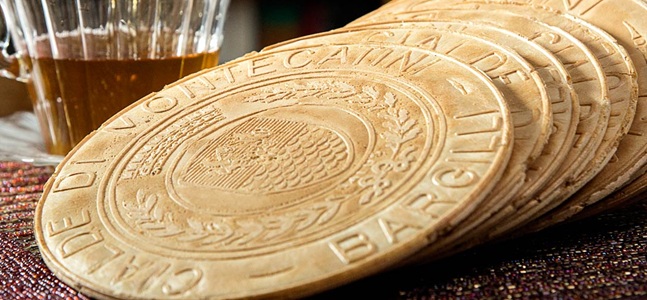
The symbol dessert of the city is the Cialde di Montecatini: thin, crispy disks made of flour, milk, eggs, and crushed almonds, often packaged in elegant tin boxes and perfect to enjoy with coffee or ice cream.
Traditional first courses include pappa al pomodoro, a thick soup prepared with stale Tuscan bread, tomatoes, extra virgin olive oil, and basil, along with ribollita and other bread soups typical of Tuscan "cucina povera" (peasant cooking).
In the local restaurants, Florentine steak, "pollo al mattone" (chicken cooked under a brick), and dishes of stewed wild boar or with pappardelle are must-tries, often accompanied by Chianti Montalbano or local Valdinievole wines.