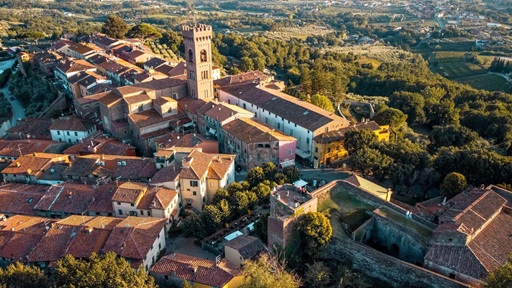
The historic center of Montecarlo perched on the hill, surrounded by vineyards and olive groves.
Montecarlo di Lucca is a charming medieval village situated on an isolated hill, overlooking the plain of Lucca and the Valdinievole. It is known for its intact walls, the fortress, and a long winemaking tradition that has given life to the famous Montecarlo DOC wines.
The area was already inhabited in medieval times under the name of Vivinaia, linked to the "wine road" that crossed these hills; the new center of Montecarlo was founded in the 14th century by the Republic of Lucca around the fortress of Cerruglio.
The name "Montecarlo" derives from Emperor Charles IV, who intervened in the 14th century to help Lucca during the wars against Pisa, bringing prestige to the village and its fortifications.
Over the centuries, Montecarlo was an important military garrison controlling the Lucchese plain, while the cultivation of vines and the production of high-quality wine became one of the territory's primary economic resources.
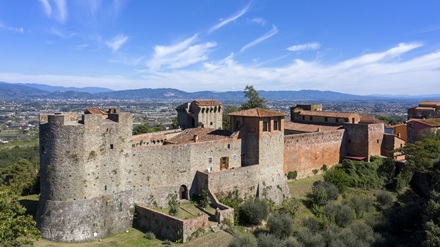
The village is surrounded by massive 14th-century walls, still well-preserved, which enclose three historic gates and lead to the Fortress of Cerruglio, a defensive complex with circular and square towers offering a splendid view over the vineyards.
In the heart of the village stands the Collegiate Church of Sant’Andrea, a church with 15th-century origins remodeled in the Baroque era, featuring a sober facade and a bright interior housing artworks related to the village's religious history.
Not far away is the small Teatro dei Rassicurati, one of Tuscany's most intimate historic theaters: behind a simple facade lies a 19th-century hall decorated with boxes, once frequented by Giacomo Puccini.
Montecarlo is an important stop on the Lucchese Wine Routes: estates and farms offer cellar tours, tastings, and walks through the rows to discover the history of the DOC white and red wines produced on these hills.
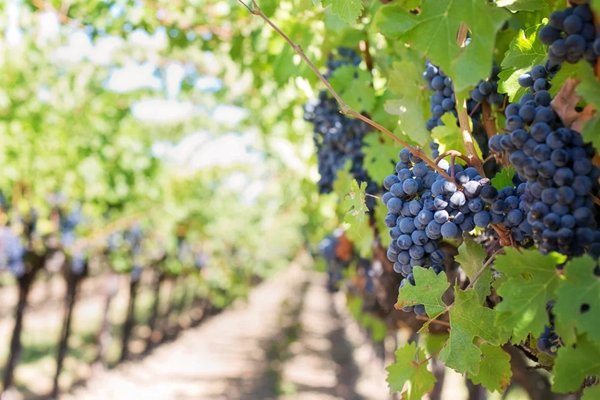
The enological tradition is the heart of Montecarlo's identity: here the Montecarlo DOC wines are born—fragrant whites and elegant reds, produced for centuries and today appreciated far beyond Tuscan borders.
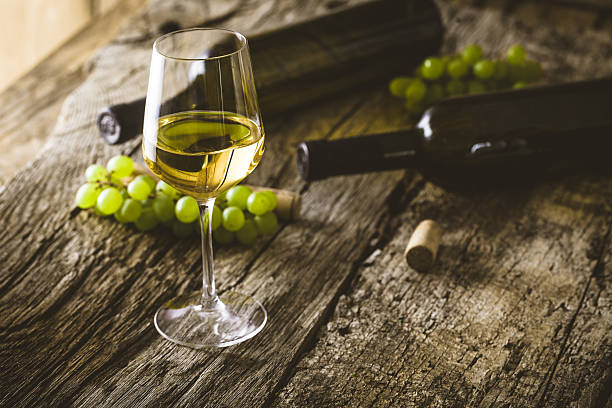
Montecarlo Bianco is a wine obtained from traditional and international blends (such as Trebbiano, Vermentino, Sauvignon, and other varieties) with a fresh and mineral profile, ideal with appetizers, light soups, fish dishes, and delicate cheeses.
Montecarlo Rosso, based on Sangiovese and other varieties, perfectly accompanies roasted meats, game, venison dishes, and the more structured recipes of the Lucca area.
In the restaurants and farmhouses of the area, you can find Lucchese specialties: tordelli with ragù, spelt soup, wild boar dishes, and grilled meats, as well as local cold cuts and cheeses paired with Montecarlo wines.
Desserts include buccellato, castagnaccio, and dry cookies to be dipped in Vin Santo—perfect for ending a cellar tasting while watching the sunset over the vines.